Table Of Content
- Wear gloves
- Is there any risk with inhaling fumes or chemicals while dyeing your hair that could be harmful to a pregnancy?
- Hair Dye and Highlights During Pregnancy
- Dyeing your hair while pregnant isn't a huge risk — here's how to minimize side effects
- Best Vegan Pregnancy-Safe Hair Dye
- What are the risks of dyeing hair while pregnant?
- Dyeing Your Hair While Pregnant: What to Know
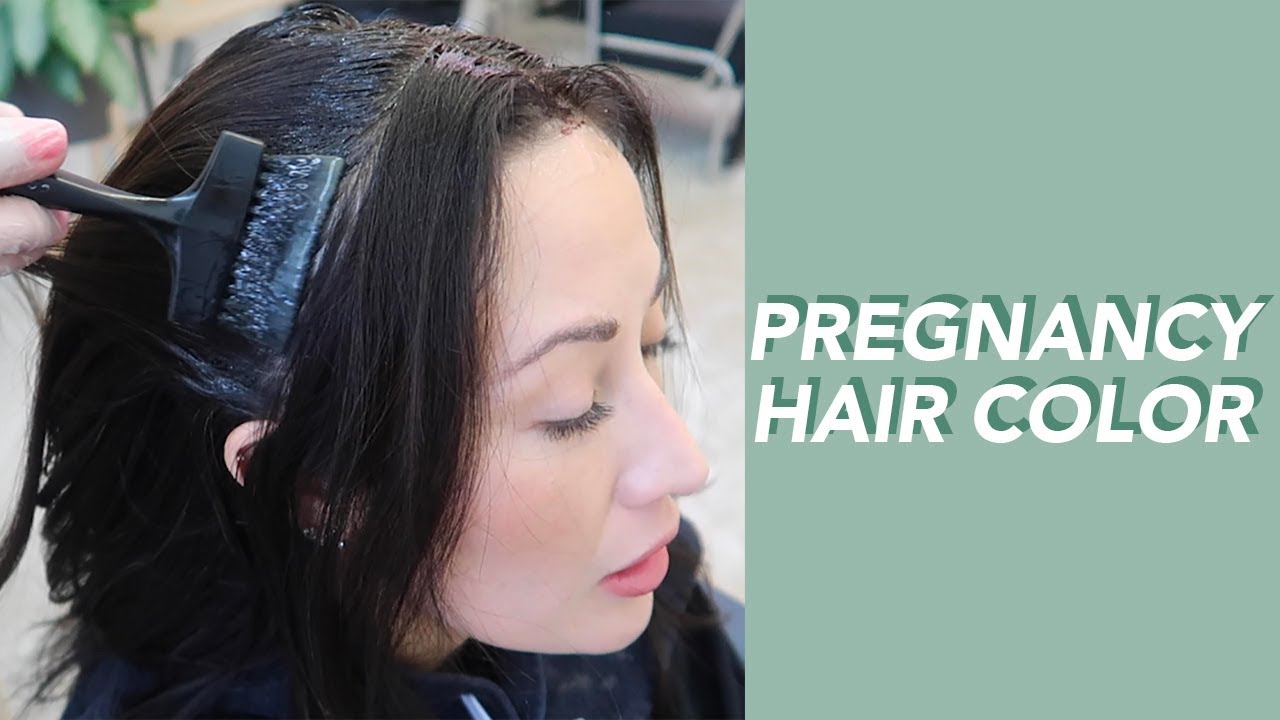
If you’re concerned about potential harmful effects, choose gentler hair treatments to minimize your exposure to chemicals. "Generally, as with most exposures in pregnancy, waiting until after the first trimester to dye or bleach one's hair is advisable," Aziz tells Allure. "After this period, the risk of chemical substances harming the fetus is much lower." According to the Mayo Clinic, your skin only absorbs a limited amount of hair dye and other hair grooming and styling products, with these chemicals generally not posing a threat to a developing baby. That being said, infected or irritated skin can lead to more chemicals being absorbed as well as if there’s a break in the skin.
Wear gloves
If you wish to minimize chemical exposure, you may want to consider highlights instead; this way, chemicals are painted directly onto the hair shaft and have little, if any, contact with the scalp. If you’re struggling with any skin issues or have any open cuts or wounds on or around the head, you should avoid coloring your hair while pregnant, Reavey says. “Although the concentration of chemicals within hair dye is typically extremely low, a cut or open wound can increase the chances of product absorption into the bloodstream,” she explains. When it comes to “natural” hair dyes, they may be better for the environment but still contain some chemicals and aren’t necessarily safer to use than other hair coloring products during pregnancy.
Is there any risk with inhaling fumes or chemicals while dyeing your hair that could be harmful to a pregnancy?
Some so-called "natural" processes contain just as many chemicals as their traditional counterparts. If you’re more of the DIY type, consider a semi-permanent color — it doesn’t contain ammonia and typically doesn't contain peroxide (bleach). Plus, it's more forgiving than permanent dyes, and fades gradually after a month or so. No doubt, you may be ready to hit the bottle (of hair dye, that is) after about a month. With all of those pregnancy hormones racing through your body, your hair may be growing faster than ever and may even have a different texture and color than you’re used to. Yes, you can dye your hair while you're pregnant — as long as you take certain precautions and mention your pregnancy to your stylist.
Hair Dye and Highlights During Pregnancy
Your skin is more susceptible to irritation if you're pregnant, so wearing gloves can prevent bothersome stains and bad allergic reactions. Your skin can absorb the chemicals, which can circulate through your bloodstream and reach your baby. For a safer alternative, try techniques where color is painted directly on to the hair shaft — highlights, lowlights, frosting and streaking, for example.
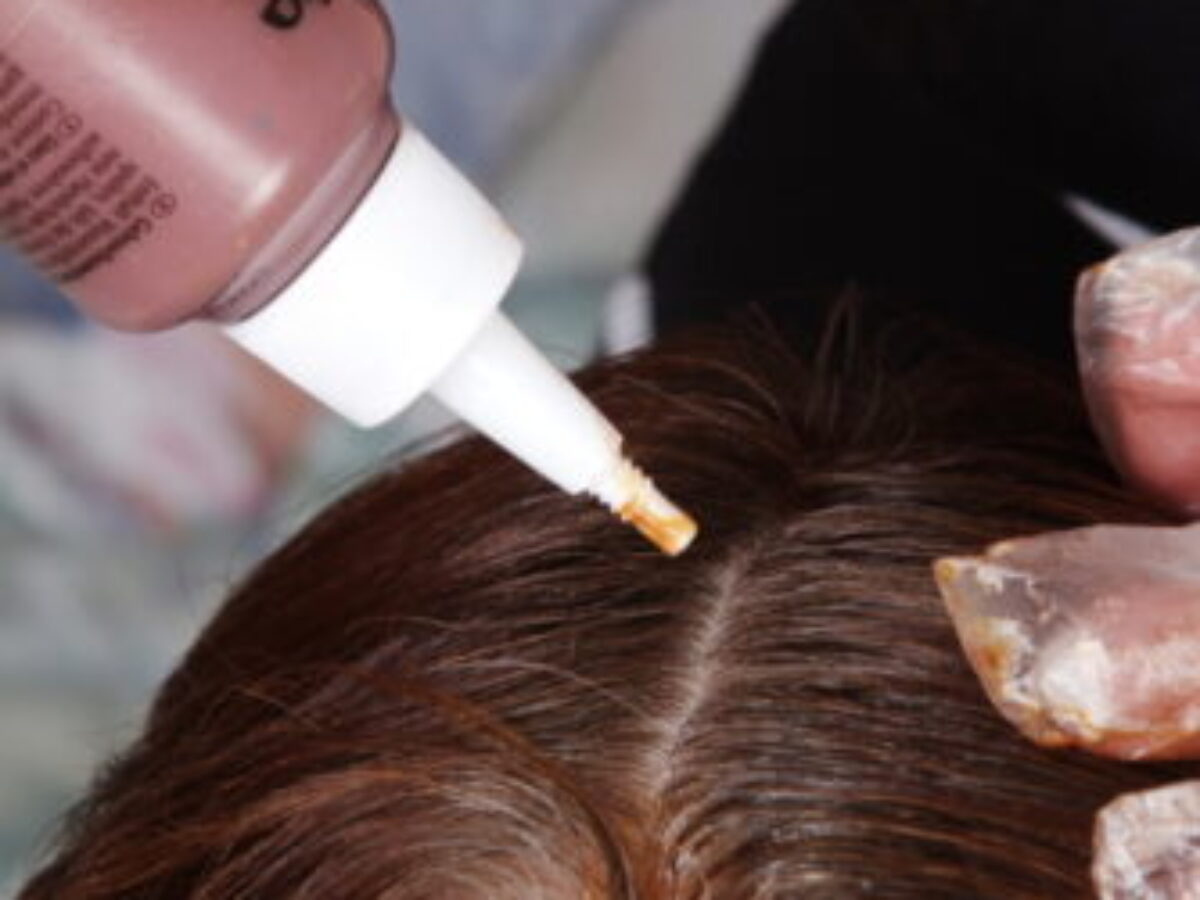
The small amounts of dye that may be absorbed by the scalp typically remain in the skin, making the chances of them reaching the fetus very small. The word “bleach” can conjure up harsh, toxic associations, but hair bleach is generally considered safe, Dr. DeNoble says. “It is important to have good ventilation when using any chemicals during pregnancy,” she explains. “Research and data on potential harmful effects of many chemicals and environmental factors on the developing fetus are limited. Hair dye is generally safe during pregnancy, but there’s no harm in being cautious.
Follow the manufacturer’s directions, leave the dye on for the minimum time recommended and be sure to wash your scalp thoroughly when the job is done. Research on this subject is limited, but many experts advise mothers-to-be to wait until around the beginning of the second trimester. The amount of hair dye that is likely to enter the mother’s bloodstream (either via the skin or from inhaled product fumes), and therefore potentially reach the baby in the womb, is expected to be very small. Two studies have provided no proof that use of hair dye in pregnancy causes heart defects in the baby. Read the instructions carefully, and don’t leave chemicals on your hair for longer than necessary. After completing a hair treatment, rinse your scalp and forehead to remove any traces of the dye from your skin.
Is it Safe to Bleach Your Hair While Pregnant? - Glamour
Is it Safe to Bleach Your Hair While Pregnant?.
Posted: Thu, 07 Feb 2013 08:00:00 GMT [source]
And always consult with your medical provider for any questions and concerns. When you're pregnant, you want to minimize your exposure to any toxic ingredients. Henna is a natural dye that comes from the leaves of the henna tree.
Therefore, the chance of them entering the milk and posing a risk to an infant are unlikely. Aside from the aforementioned, your hair — and more specifically, your hair color — routine may need some sharpening up. Dyeing your hair while pregnant is a common concern many moms-to-be face, so we’re here to help. If you’re expecting and wondering if it’s safe to dye your hair while pregnant, keep reading as we break down what you need to know. ” The good news is that there is no evidence that the small amount of dye that comes in contact with the skin causes birth defects or other health problems for the pregnant person, or the developing fetuses.
Hannah Natural 100% Pure Henna Powder
The NCBI study found that receiving hair treatments three to four times during pregnancy does not appear to increase the risk of adverse effects on the fetus for the average pregnant woman. It’s also important to avoid coloring your hair if you have any open cuts or abscesses or a skin condition. Tiny openings in the skin on your scalp can make it easier for the chemicals in the hair dye to enter your bloodstream. Even when you’re not pregnant, dyeing your hair when you have a condition like eczema or psoriasis can cause a negative reaction on your scalp.
Studies about their effects regarding pregnancy are mostly incidental, so their overall safety is something to be cautious about. From the What to Expect editorial team and Heidi Murkoff, author of What to Expect When You're Expecting. What to Expect follows strict reporting guidelines and uses only credible sources, such as peer-reviewed studies, academic research institutions and highly respected health organizations. Learn how we keep our content accurate and up-to-date by reading our medical review and editorial policy.
If you aren’t getting the proper prenatal vitamins and minerals you need, your hair can become dry, brittle, and more prone to breakage. Adding hair dye or other chemical treatments to unhealthy hair can damage it. Like everyone, pregnant people are unknowingly exposed to toxins daily. Bioaccumulation from other toxic chemicals, like PFAS (per- and polyfluorinated substances), will likely appear in breast milk, so limiting all known and potential risks, such as hair dye, is something to consider. Any hair dye chemicals in question are used in such small doses during application compared to the toxic levels in mass quantities that they are generally considered safe.
Make sure to color your hair in a well-ventilated area to minimize the risk of inhaling chemical fumes. Don’t leave the chemicals on your hair longer than the package indicates. Wear gloves when applying the treatment, and make sure to thoroughly rinse the color from your scalp after the process is complete. The hazardous connection between pregnancy and hair dyeing comes from the application of the color itself. A full dye job involves contact between the hair dye and the skin, which was thought to be potentially harmful to the fetus, especially in the first trimester. Most research, however, has found that the chemicals found in both permanent and semi-permanent dyes aren’t highly toxic and are safe to use during pregnancy.
Whether you are coloring your hair yourself or getting it done at a salon, be aware of the ventilation in the room. Even if you are only visiting a salon for a haircut or blowout, you might consider asking the colorist there to do what they can to ventilate the room well during their treatments of others in the same space. You can dye your hair at any point during pregnancy, and experts advise taking cautionary measures (i.e., gloves and a well ventilated area) regardless of how far along you are.
7 Hair Dye Kits That Are Safe For Pregnant People, According To Experts - Scary Mommy
7 Hair Dye Kits That Are Safe For Pregnant People, According To Experts.
Posted: Fri, 10 Sep 2021 07:00:00 GMT [source]
You may find you have more hair growth during pregnancy and your skin is likely to be more sensitive, because of all the hormonal changes in your body. There's no evidence to show that waxing is unsafe during pregnancy and many women continue their usual waxing routine. There’s another risk in the strong smells of the chemicals, “and if you’re inhaling those in a poorly ventilated area, then that might make you lightheaded,” Sterling says.
Helen Reavey is the founder and creative director of hair wellness brand Act + Acre. She’s also an international fashion and celebrity hair stylist whose work has been featured in several magazines. Reavey earned her bachelor’s degree from Ulster University in Northern Ireland. Bleach typically contains ammonia and hydrogen peroxide, so it's recommended to have it applied by a professional in a well-ventilated space. Pregnancy can cause changes in your skin, like sensitivity and rashes. It can also bring underlying genetic conditions, like eczema, to the surface.
A professional salon might be better ventilated, and they might be more careful about not getting dye onto your scalp, but there’s no guarantee that it’s definitely safer,” Sterling says. Dyeing your hair is one of the most common forms of self-expression. Whether you love your highlights, covering grays or you’re rocking a vivid hue, you might be wondering if you should give up your color once you get pregnant.


No comments:
Post a Comment