Table Of Content

Between baby shower beauty looks and pregnancy skin care routines, there are a handful of modifications that need to be made to your beauty routine when you have a little bundle of joy on the way. There are so many choices to make in preparation of the baby’s arrival. There is also the new responsibility for women to think carefully about decisions that they make for their own bodies as their circumstances change when they have a growing little one in utero.
Highlights
This is another pregnancy-safe option that relies on natural ingredients like rosemary and walnut husk instead of ammonia or parabens. The dye is designed to both tone your color and smooth your locks, leaving you with a rich color that won’t add frizz. Reviewers raved that this hair dye — which is available in 36 shades — left their hair feeling soft and moisturized, but noted there was no plastic container or applicator included for stirring the color. However, colors might set darker than expected, so it might not be the best brand if you want to lighten up your hair color. Hair dyeing may not be the only beauty treatment to be concerned about if you’re pregnant.
Can You Dye Your Hair During the First Trimester?
Talk to your employer or work out a plan that allows you to limit your daily exposure to certain types of hair dye. In general, you do not need to lose sleep over the decision to color your hair in pregnancy. The most common risk, Dr. Sterling points out, is increased irritation. For some expectant mothers, having limited evidence is enough for them to choose to not dye their hair, says Levy. “If you want to be extra cautious, you can always wait until the first trimester is over,” she adds. The first trimester is a critical period of growth and development when the fetus’s major organs are forming.
Is It Safe to Dye Your Hair While You’re Pregnant?
In addition, if you have given birth to a child who has G6DP deficiency, anemia, hyperbilirubinemia, or any blood or immune system-related disorder, then do not use henna to color your hair. Consider getting highlights in your hair instead of a full color change. This ensures that the strands themselves are coated with the color, but the treatment doesn’t make contact with your scalp. You can have scattered highlights or lowlights incorporated into your existing color to mask the difference between roots and ends. Or, you can opt for an ombre color, in which a lighter dye is placed towards the bottom half of the hair, gradually transitioning from your natural color on top to a lighter one at the bottom. The first trimester is a delicate time when your baby is most susceptible to toxins like alcohol and certain medications.
Can You Dye Your Hair While Pregnant?
As for hair color, pregnancy won't naturally affect that—but it may make you think twice about using hair dye, which uses chemicals to change the color of your strands. Large quantities of chemicals in hair dye may cause harm to the fetus, but that doesn't mean you have to stop coloring your hair while pregnant. If you're wondering, "Is it safe to dye your hair while pregnant?" here's the scoop. Although most hair dyes contain chemicals, only a small amount of dye is ultimately absorbed by healthy, unbroken scalp skin. A recent article in The Journal of Clinical and Aesthetic Dermatology suggests dyeing hair during pregnancy doesn’t appear to result in any negative effects on the developing fetus.
Reviewers love that it's made of natural oils so hair is left feeling soft and smooth, and has a pleasant scent (no ammonia, means no gross ammonia smell!). If you're in a high-risk pregnancy or feel uneasy about interacting with chemicals during pregnancy, consider plant-based dyes as an alternative. Consult a healthcare provider on the safest plan for you and your baby. Ultimately, the choice to bleach or dye your hair during pregnancy is up to you and your comfort level with what's known — and unknown.
Jinger Duggar attacked for dyeing hair when pregnant - Yahoo Life
Jinger Duggar attacked for dyeing hair when pregnant.
Posted: Tue, 03 Jul 2018 07:00:00 GMT [source]
Is It Safe to Dye Your Hair During Pregnancy?
But some stages of fetal development are more sensitive than others. Expectant mothers avoid certain foods and medications so they don’t risk harm to their baby from the exposure of particular chemicals. Information provided on Forbes Health is for educational purposes only. Your health and wellness is unique to you, and the products and services we review may not be right for your circumstances.
And since your hair grows fuller during pregnancy, expect lots of good hair days—whether you color or not. However, "none of this stuff has been tested in pregnancy, and it's not going to be," Streicher says. "No one's going to take 10,000 pregnant women and have them all dye their hair once a month and see if the babies turn out OK." Switching up one's hair color has always been one of the best cures for boredom. And with boredom being one of the most far-reaching side effects of the coronavirus pandemic, it's no surprise that people are changing their hair color left and right during this socially distanced time. At £4.55, this root touch up spray is significantly cheaper than getting your whole head of hair dyed.
Can I have my hair dyed when pregnant?
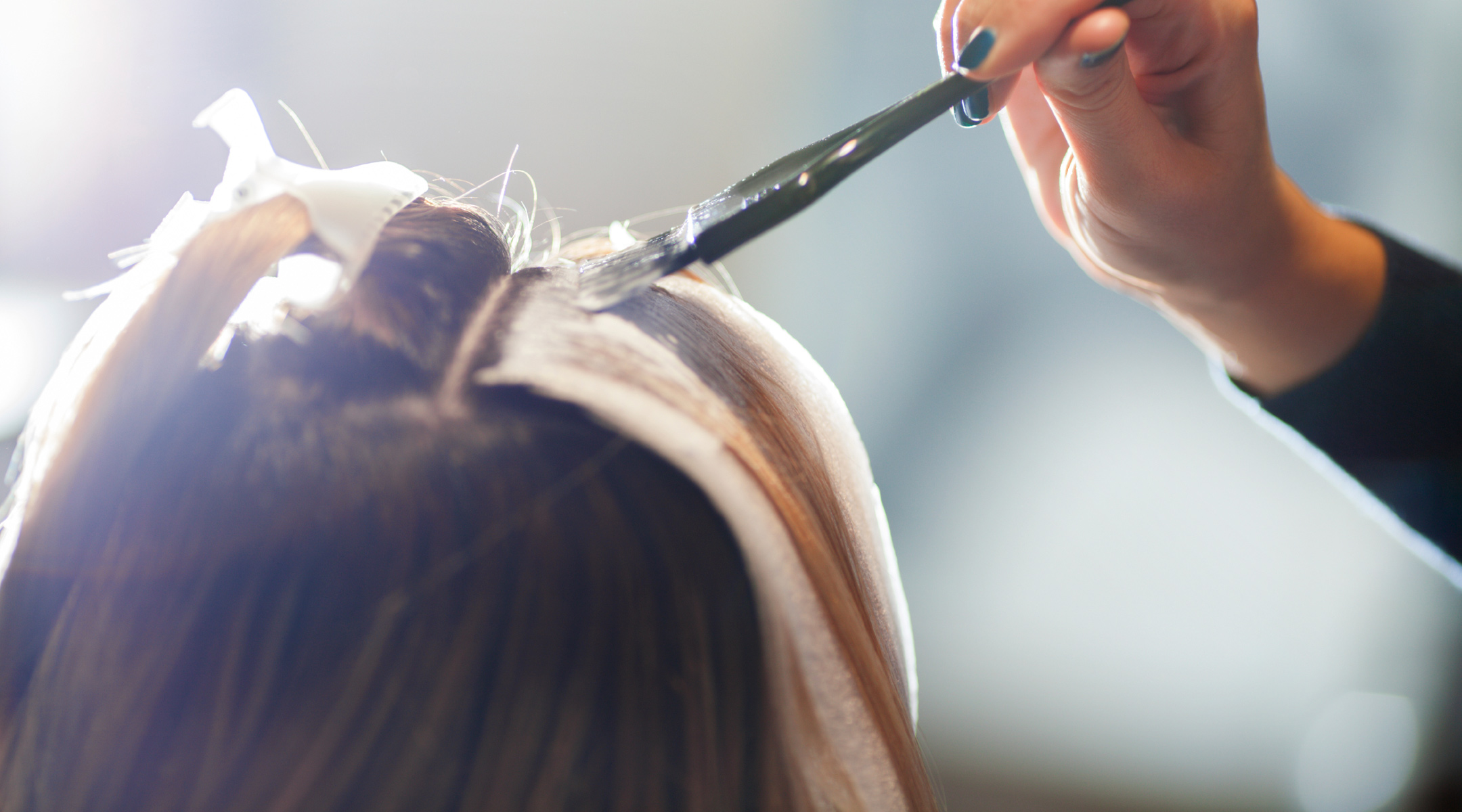
While certain activities should be avoided during pregnancy, using hair dye probably isn't one of them. Based on available research, coloring your hair while pregnant and breastfeeding is considered safe. According to the American Cancer Society, semi-permanent and permanent dyes contain larger quantities of chemicals that may be carcinogenic. If you’re concerned about dying your hair in the second or third trimester of your pregnancy — or any other time for that matter — opting for temporary color on special occasions might be the best choice for you.
Additionally, they did not collect data regarding hair dye use during pregnancy. Of course, if you have concerns about the safety of your hair products or other hair treatment, consult your physician first. This is something that many professional colorists won’t do and isn’t safe for you to do at home. It can cause swelling in the eye area, increase the risk of infection, and possibly lead to blindness.
The data, published in 2022, suggests a relationship, but much more research needs to happen to define that relationship. In other words, scientists can’t say, based on the available information, that using hair straightening products actually increases your cancer risk. If it does, though, that suggests that the chemicals being applied to the scalp when straightening hair can cause hormonal changes.
“If a dye says that it’s ‘all natural,’ the idea that that’s necessarily safer is not really true,” Sterling says. Unfortunately, there isn’t a clear answer here, as each person’s circumstances will vary. “Ensure you’re taking care of yourself and listening to your body when it comes to taking a break or needing to rest,” Reavey says.
As a precaution, a doctor may recommend that a person waits until after their pregnancy, or the first trimester, before dyeing their hair. If you work in a salon and you’re pregnant, you may want to take extra precautions to keep you and baby safe, since you’re exposed to hair dye and chemicals in the air for long periods of time. With a little research, you may discover a number of options for a new color or style. Before putting any kind of color or chemical treatment on your hair, though, make sure to bring the box or a list of the ingredients and an outline of the treatment process to your doctor for approval. If you still have concerns, wait to color or treat your hair until the second or third trimester or until after you’ve had your baby. You can reconsider the type of dye you use if you're still uneasy with the idea of using your normal hair dye during your pregnancy.
If you’re using box dye at home, wear gloves and don’t exceed the recommended wait time. When finished, rinse your scalp thoroughly with water and wipe away any excess dye. (Any chemicals absorbed into your system when you dye your hair would go through your skin, not through your hair.) You can ask your hair stylist about the best options for you. If a person is concerned about using hair dye or undergoing hair treatments during pregnancy, they should speak with a healthcare professional.
Pulling hair through a cap and then applying color is a less common method but equally as safe, since the cap covers the scalp. “If you’re getting a perm or relaxer treatment done at the salon, ask them about their ventilation practices. You don’t want to be getting a treatment done with two or three other people without ventilation. The smell could be overpowering and make you feel sick,” she says. There are many hairstyles that don’t require that your stylist apply dye to your scalp.
But you should still take precautions to minimize the risk of causing harm to your baby. If you're pregnant and you're not a fan of your natural shade, rest assured that most experts think it's safe to continue dying your hair during pregnancy. If you're still conflicted, you can consider trying gentler hair dye options or touching base with your ob-gyn for personalized advice. It raised a few eyebrows; we've all heard mixed advice on whether or not it's OK to bleach and/or dye your hair while expecting. According to the experts, the answer isn't a straightforward yes or no.



No comments:
Post a Comment